
We Didn't Change Their Content.
We Changed What Stops the Scroll.
Three expert-led channels. The same packaging mistake on every one. Here are the three teardowns, the real titles, the real thumbnails, and exactly what we changed, plus the 30-day numbers that followed.
Strong Content Is Not Enough. The Algorithm Never Sees It.
Most expert-led channels believe growth is about content quality. It is not. A video's reach is decided in the first second, before anyone watches a frame, by whether the title and thumbnail earn the click from someone who does not already know you.
When packaging fails, the pattern is always the same. Your loyal audience clicks because they recognize you. Everyone scrolling past does not. And that second group is the audience YouTube uses to decide whether to push the video at all. So your best work never reaches the people who should have watched it.
There is one mistake we see more than any other on expert-led channels: the descriptive title. It names the topic and the guest, and stops there. It is accurate, and it is invisible. The three teardowns below are all the same mistake, on three different channels, in two different fields.
"Similar content, similar audience, very different results."
One Mistake. Three Channels. Watch the Fix Work Every Time.
Each of these is a real video. In every case the content was untouched. Only the title and thumbnail changed. Notice the before-titles: they are the same mistake, three times.
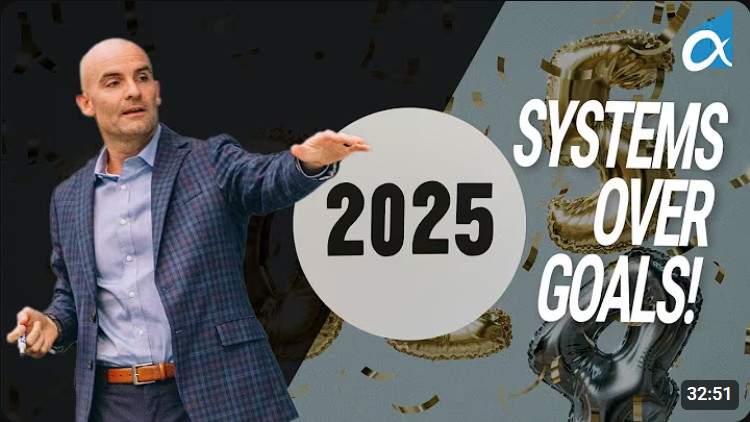
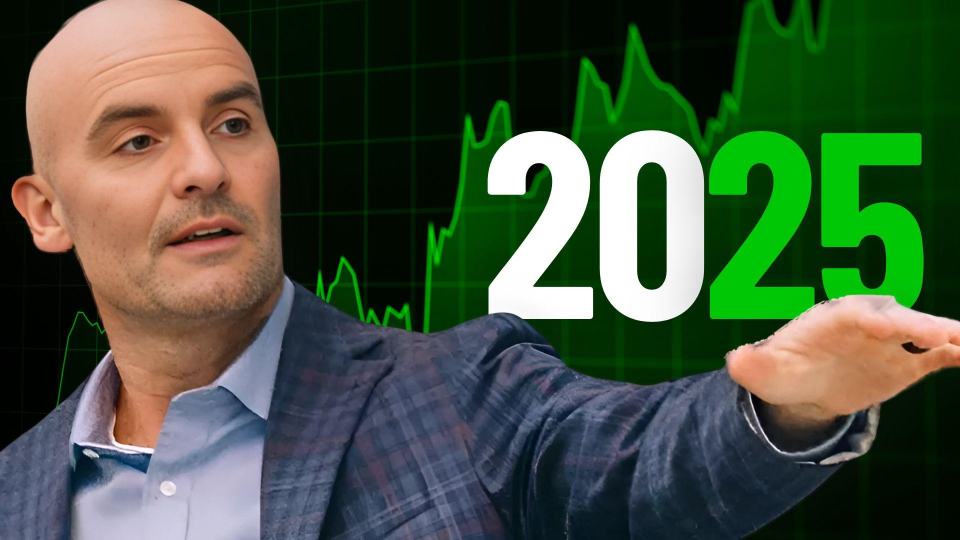
A descriptive title. It names the topic and the guest, and gives a new viewer no reason to choose it over any other 2025 outlook interview.
Why the new version works: The title now asks the exact question the viewer already has, and promises an answer, a loop they need to close. The thumbnail was rebuilt for one focal point and high contrast, so it registers in the one second a viewer gives it. Title and thumbnail stopped repeating each other and started working as a pair.
Pattern: Desired outcome, framed as a question, plus search terms.
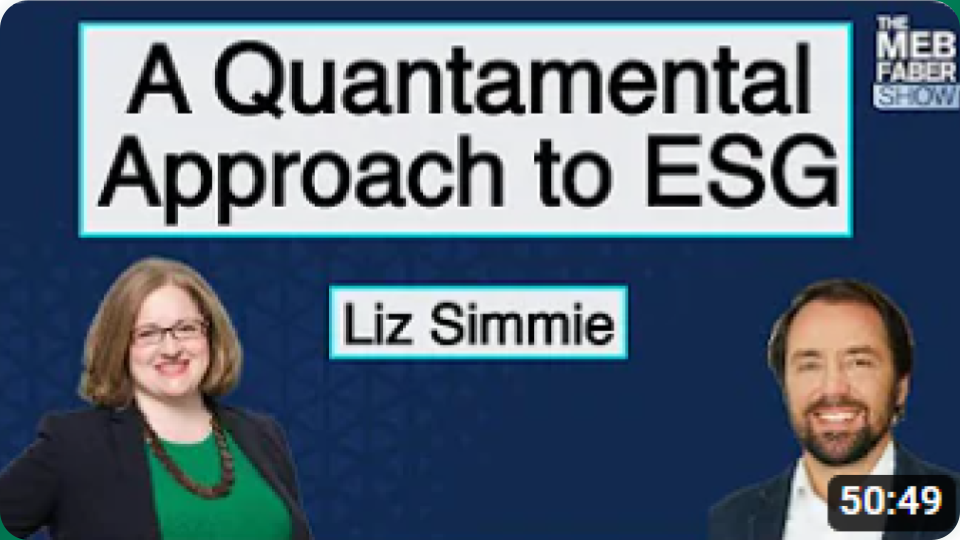
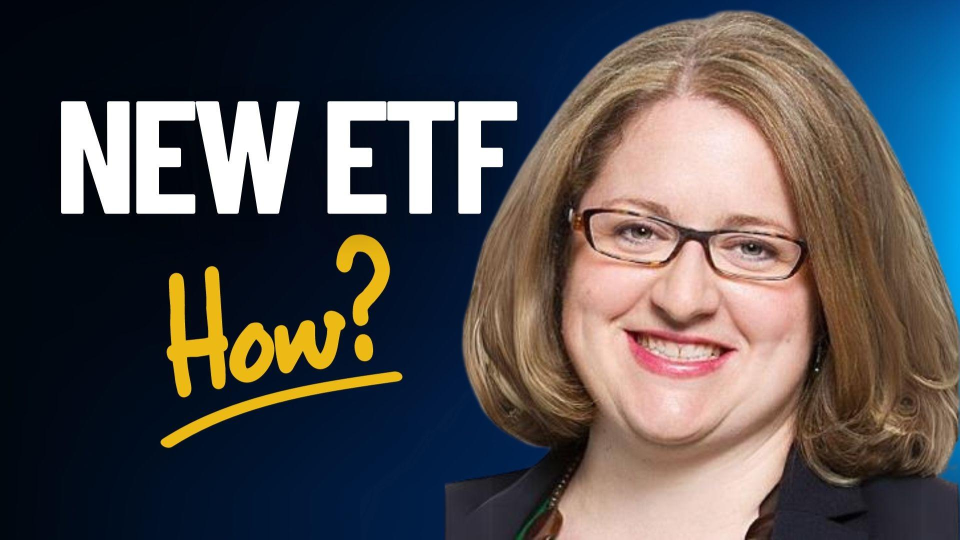
The harder case. This thumbnail wasn't even bad. It had faces, contrast, clear text. But it triggered no specific curiosity. It answered "what is this about?" and never "why would this matter to me?"
Why the new version works: The reframe turned an abstract topic ("a quantamental approach to ESG") into a concrete, aspirational story every finance viewer can place themselves in ("how to start a new ETF"). The lesson: a polished thumbnail still fails if it doesn't open a curiosity gap for a specific viewer. Looking professional is not the same as earning the click.
Pattern: Aspirational outcome, plus the human story behind it.
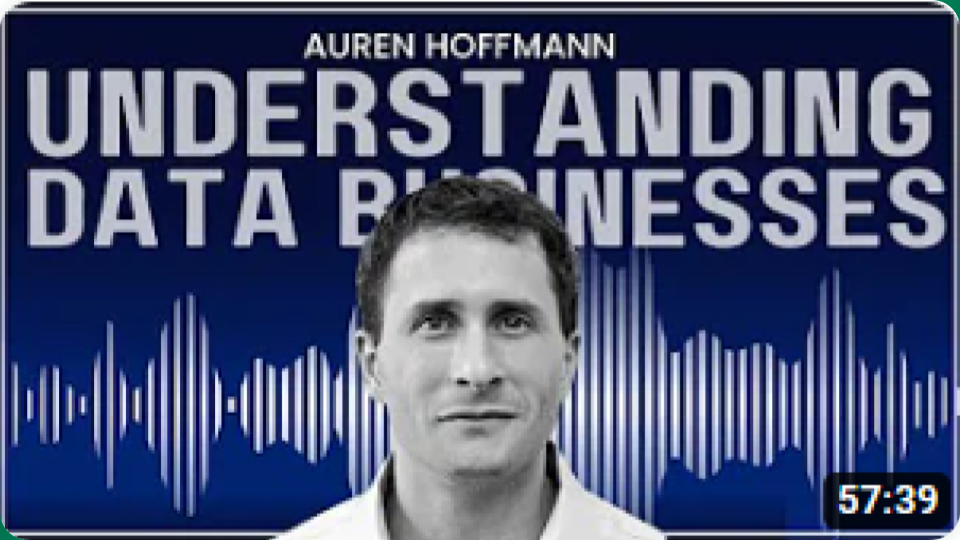
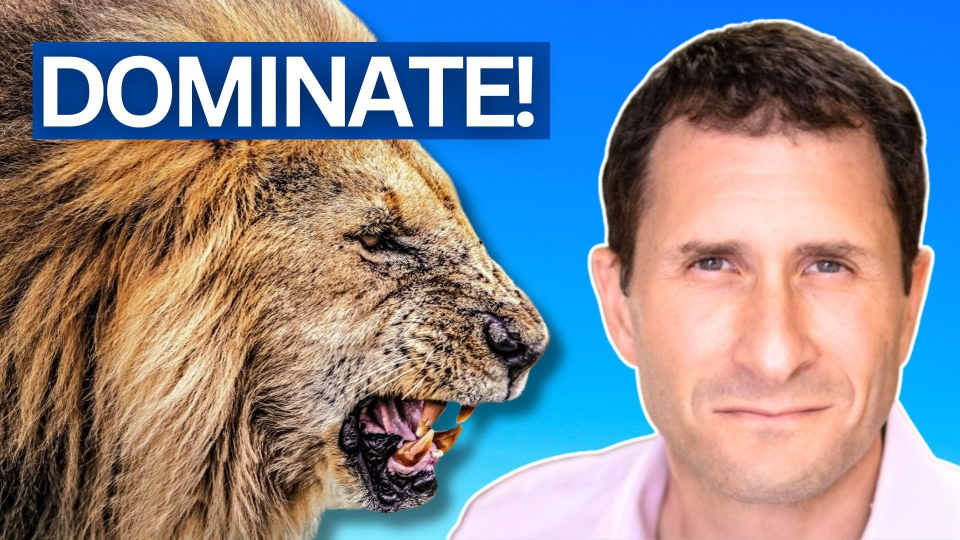
A different channel, a different field. The exact same mistake. Two names and a topic. The descriptive-title trap isn't a finance problem, it's an expert-channel problem.
Why the new version works: The title now leads with a specific, high-stakes outcome ("formula for 50% market share") instead of a topic. The thumbnail was rebuilt around a single bold idea with strong contrast and genuine visual tension. Same fix, different vertical, same direction of result: +24% channel views.
Pattern: Desired outcome, plus the way to achieve it, plus search terms.
Three channels. Two verticals. The same mistake, the same fix.
What 30 Days of This Work Produced
The Meb Faber Show is an established expert-led finance interview channel, with 40,000+ subscribers. When we started to partner, the channel had 18,043 subscribers.
The channel landed its first 100K+ view video and beat the prior year's benchmark for a comparable video, with the same guest, by 70%.
The experiment surfaced something the channel did not know about its own audience: a measurable affinity for a more pointed, contrarian tone. That insight now drives ongoing experimentation.
Every video became an A/B test: multiple title and thumbnail variations, performance reviewed 24 hours after publishing, the next round shaped by real data.
Not Three Lucky Guesses. One Database.
The three teardowns above were not creative instinct. Every change traces back to a specific, proven pattern. VexLab maintains a database of 200+ YouTube growth patterns: title frameworks, thumbnail mechanics, and curiosity triggers, each documented with why it works and where it applies.
What makes that database work for expert-led channels specifically is the second half of the equation: we understand the content. Growth mechanics without subject fluency produce clickbait. Subject fluency without mechanics produces what most expert channels have now: strong work that never travels. The result comes from the overlap.
Documented and tested across thousands of videos.
Packaging a discerning audience trusts, not clickbait.
Start With a Free Pilot. Results Before Commitment.
You have just seen the method work three times. The honest next question is whether it works for your channel. So we don't ask you to take that on trust.
Collaborate one month, up to 4 videos
We provide title + thumbnail variations
Review results 24 hours after publishing
You decide if it's a fit
Pay only if you sign up
No credit card. No commitment. You see the results first.
See This Teardown, For Your Channel
On a 30-minute call, we will do for your channel what you just saw three times on this page: identify the specific packaging gap costing you the most views, and show you the pattern that fixes it. If it looks like a fit, the free experiment starts from there. If it does not, you keep the teardown.
A 30-minute channel audit. No pitch deck, no obligation.
Built by Hoda Mehr (product and strategy leader, 70+ financial-YouTuber partnerships) and Arash Nia (product economist, 20+ years modeling what makes people watch, click, and stay).